
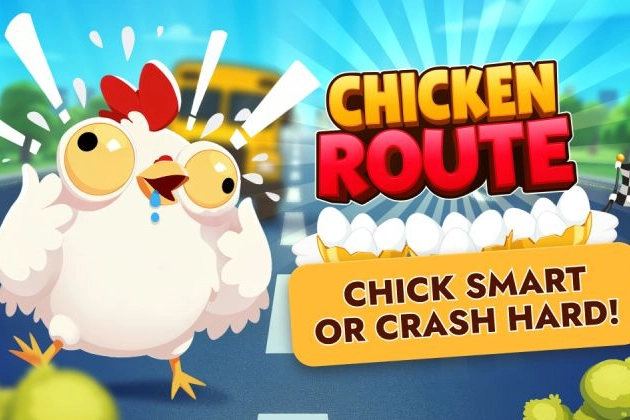
The Seminar Downtime Chicken Road Game highlights important educational gaps within the UK’s conventional schooling system. By incorporating game-based learning, it shifts the focus from rote learning to nurturing analytical thinking and empathy. This novel approach not only engages students but also addresses diverse learning needs often overlooked in typical curricula. As the educational landscape develops, the implications of such groundbreaking tools could reshape the future of learning—inviting a deeper exploration of their potential impact.
Understanding the Seminar Downtime Chicken Road Game
The Seminar Downtime Chicken Road Game serves as a compelling pedagogical tool designed to clarify the notable educational gaps present in the UK. This innovative game immerses participants in a collaborative environment, actively involving them in discussions about structural issues affecting education. By illustrating practical scenarios, it encourages critical thinking and problem-solving among educators. The game’s structure promotes reflection on traditional teaching methods, revealing their limitations and prompting attendees to reassess their approaches. In addition, it bridges communication between stakeholders, nurturing a common understanding of obstacles that hinder student success. Ultimately, the Seminar Downtime Chicken Road Game not only highlights educational deficiencies but also stimulates tactical discussions aimed at executing practical solutions, enhancing overall educational effectiveness in the UK.
Engaging Students Through Creative Gameplay
Cutting-edge gameplay serves as a powerful vehicle for captivating students, transforming traditional learning into dynamic experiences. By incorporating gamified learning strategies, interactive role-playing elements, and collaborative problem-solving activities, educators can cultivate greater participation and retention. This approach not only enhances student motivation but also builds fundamental skills for the modern world.
Gamified Learning Strategies
As educators strive to bridge the expanding educational gaps in the UK, gamified learning strategies have arisen as effective tools for engagement and motivation. These strategies take advantage of students’ intrinsic desires for competition, collaboration, and achievement, changing traditional learning environments into lively arenas where knowledge acquisition becomes both enjoyable and meaningful. By including game mechanics—like scoring systems, challenges, and rewards—teachers cultivate a sense of accomplishment and inspire persistence in the face of academic challenges. Studies show that such revolutionary approaches can enhance critical thinking and problem-solving skills, ultimately leading to enhanced academic performance. As gamified learning practices proliferate, they could serve as essential components in reshaping education, arming students with the skills needed for a quickly developing world.
Interactive Role-Playing Elements
By immersing students in interactive role-playing situations, educators can convert conventional lessons into fluid experiences that promote critical thinking and collaboration. This approach enables learners to step into different roles, exploring intricate concepts through firsthand involvement. When students take on characters or enact real-world situations, they foster empathy and develop nuanced perspectives. Such engagement goes beyond passive information retrieval, prompting them to evaluate outcomes and adapt strategies fluidly. In addition, role-playing improves communication skills, vital for today’s interconnected world. By integrating these elements into the curriculum, educators can bridge the gap between theoretical knowledge and practical application, creating a rich mosaic of learning that fosters not just academic success, but also personal growth and social awareness in students.
Collaborative Problem-Solving Activities

While traditional teaching methods often segregate students in their learning processes, collaborative problem-solving activities foster teamwork and creative thinking in an constantly evolving environment. These activities encourage students to engage with peers, nurturing vital skills such as communication, negotiation, and critical thinking. By adopting innovative gameplay, educators draw on students’ intrinsic motivation, making learning an active, rather than passive, experience. In addition, collaborative problem-solving fosters diverse perspectives, enhancing the problem-solving process and preparing students for future workforce demands. When students confront complex problems together, they create a supportive learning atmosphere that cultivates resilience and adaptability. Ultimately, incorporating these activities into the curriculum not only tackles educational gaps but also fosters a generation of skilled, collaborative thinkers ready to succeed in our evolving world.
Identifying Educational Gaps in Conventional Approaches
Although traditional learning approaches have long been the foundation of learning in the UK, they often fail to address the varied needs of today’s students, leading to notable educational disparities. Rigorous standardized testing can stifle creativity, forcing educators to prioritize memorization by repetition over analytical thinking. This one-size-fits-all model neglects those with different learning styles and backgrounds, exacerbating inequalities. Moreover, conventional curricula often overlook essential life skills, leaving students unprepared for real-world challenges. By identifying these gaps, educators can reformulate their strategies, tailoring methods to promote inclusion and adaptability. The urgency for change is clear; modern approaches must replace obsolete systems to guarantee that every student receives an equitable and efficient education, paving the way for a more competent future workforce.
Enhancing Analytical Thinking and Cooperation Skills
To effectively prepare students for the challenges of the modern world, enhancing analytical thinking and cooperation skills has become vital in the UK education system. These competencies enable students to maneuver challenges and engage significantly with varied perspectives.
Here are four strategies to nurture these crucial skills:
- Interdisciplinary Projects
- Peer Review Sessions
- Problem-Based Learning
Implementing these approaches cultivates a generation equipped for collaborative problem-solving and innovative thinking.
The Role of Gamification in Education
Gamification’s impact on education offers a transformative approach to engaging students and enhancing motivation. By integrating game-like elements into syllabi, educators can alter traditional learning environments into interactive experiences that encourage engagement. This approach not only promotes active participation but also nurtures a sense of accomplishment through challenges and rewards. As students traverse through gamified learning settings, they develop critical skills such as problem-solving, collaboration, and resilience. Furthermore, the competitive spirit and intrinsic motivation sparked by gamification push students to aim for mastery and progress. In an age where conventional pedagogies often fall short, gamification emerges as a powerful strategy to bridge educational gaps, ensuring students stay engaged and invested in their learning journey.
Real-World Applications of Game-Based Learning
As educators increasingly embrace game-based learning, they discover that its real-world applications extend far beyond the classroom. This innovative approach equips students with crucial skills relevant to modern life, improving their engagement and retention. Here are four significant applications:
- Problem Solving
- Collaboration
Through these applications, gamified education not only captivates young minds but also equips them for a prosperous future in an constantly changing environment.
Future Implications for Educational Reform in the UK
As the UK faces significant educational gaps, addressing syllabus inequities arises as a crucial starting point for change. Improving educator development programs will equip educators with the necessary skills to foster welcoming educational settings, ensuring that every student is appreciated and supported. By prioritizing these aspects, the UK can pave the way for a more equitable and efficient education system.
Addressing Curriculum Disparities
While recognizing the urgent necessity for academic reform in the UK, tackling syllabus disparities becomes essential for promoting fairness and inclusion in schools. A balanced curriculum should consider the subsequent:
- Cultural Relevance
- Flexible Learning Pathways
- Resources Allocation
- Stakeholder Involvement
These approaches can bridge the gap in educational excellence, ensuring every learner has the possibility to succeed, regardless of their circumstances. Academic fairness isn’t just an goal; it’s a requirement for a progressive community.
Enhancing Teacher Training Programs
Enhancing educator training courses stands as an crucial factor in shaping the direction of learning transformation in the UK. These initiatives must concentrate on equipping educators with the abilities needed to manage heterogeneous learning environments successfully. By including research-backed practices and current teaching concepts, prospective instructors will be better prepared to engage pupils and nurture evaluative thought. Additionally, incorporating continuous professional advancement ensures that instructors remain responsive to changing educational demands. Stakeholders should advocate for strong guidance schemes, building links between veteran teachers and newcomers. Such initiatives can nurture a atmosphere of cooperation and information exchange. Ultimately, emphasizing enhanced instructor preparation programs can significantly enhance pupil results, closing the performance gap and encouraging a more equitable academic environment across the UK.
Fostering Inclusive Learning Environments
Refining educator development programs not only enhances educators’ competencies but also creates the foundation for cultivating inclusive educational contexts. Such environments are essential for elevating learning fairness across the UK. To achieve this, several strategies can be adopted:
- Culturally Responsive Curricula
- Universal Design for Learning (UDL)
These initiatives generate a game-changing effect, paving the way for a fairer educational environment in the UK.
Conclusion
The Workshop Break Poultry Path Game demonstrates the groundbreaking possibility of gamification in education. By addressing the constraints of conventional teaching methods, it not only involves students but also encourages critical reasoning, collaboration, and empathy. This novel approach challenges the existing norms and provides a pathway toward a broader academic framework in the UK. Adopting such gamified learning techniques can notably close existing academic disparities, ultimately paving the way for a fairer future for all learners.