

The “Chicken Road Game” demonstrates how interactive activities can enhance essential life skills. Players maneuver complex decisions and unexpected challenges, which enhance their decision-making abilities. The game’s cooperative framework encourages teamwork and communication, crucial skills in any setting. Through these captivating situations, participants acquire important lessons about resilience and adaptability. What other applications might these insights have beyond the game, affecting players in their daily lives? https://chickenroadcasinogame.eu/
Comprehending Decision-Making Via Gameplay
As players navigate through the Chicken Road Game, they face a series of decisions that reflect real-life choices, uncovering insights of their decision-making processes. When confronted by obstacles, players must assess risks and rewards, weighing short-term benefits against potential long-term consequences. This interaction fosters critical thinking, as players learn to adapt strategies based on situational variables. Furthermore, the game’s built-in unpredictability mirrors real-world scenarios, enhancing the players’ abilities to think on their feet. By noticing outcomes from diverse choices, participants acquire awareness into their behavior patterns and biases. Ultimately, these gameplay experiences serve as a miniature of life’s complexities, allowing players to refine their decision-making skills in a fluid, engaging environment that promotes continuous improvement and cognitive growth.
Developing Teamwork Skills in a Enjoyable Environment
The Chicken Road Game not only enhances individual decision-making skills but also fosters teamwork in a vibrant, engaging atmosphere. Participants face challenges that require teamwork, emphasizing dialogue and mutual support. Team members quickly learn to devise strategies, merging their understanding for a collective goal. This environment develops trust, as players depend on one another to succeed while traversing obstacles together.
Through shared experiences, individuals gain an understanding of roles and responsibilities, gaining respect for diverse perspectives. The game’s dynamic nature encourages active participation, minimizing fear of failure, and promoting risk-taking. Ultimately, the Chicken Road Game fosters a sense of camaraderie, reminding players that teamwork not only improves performance but also makes the learning process pleasurable and productive.
The Importance of Resilience in Overcoming Challenges
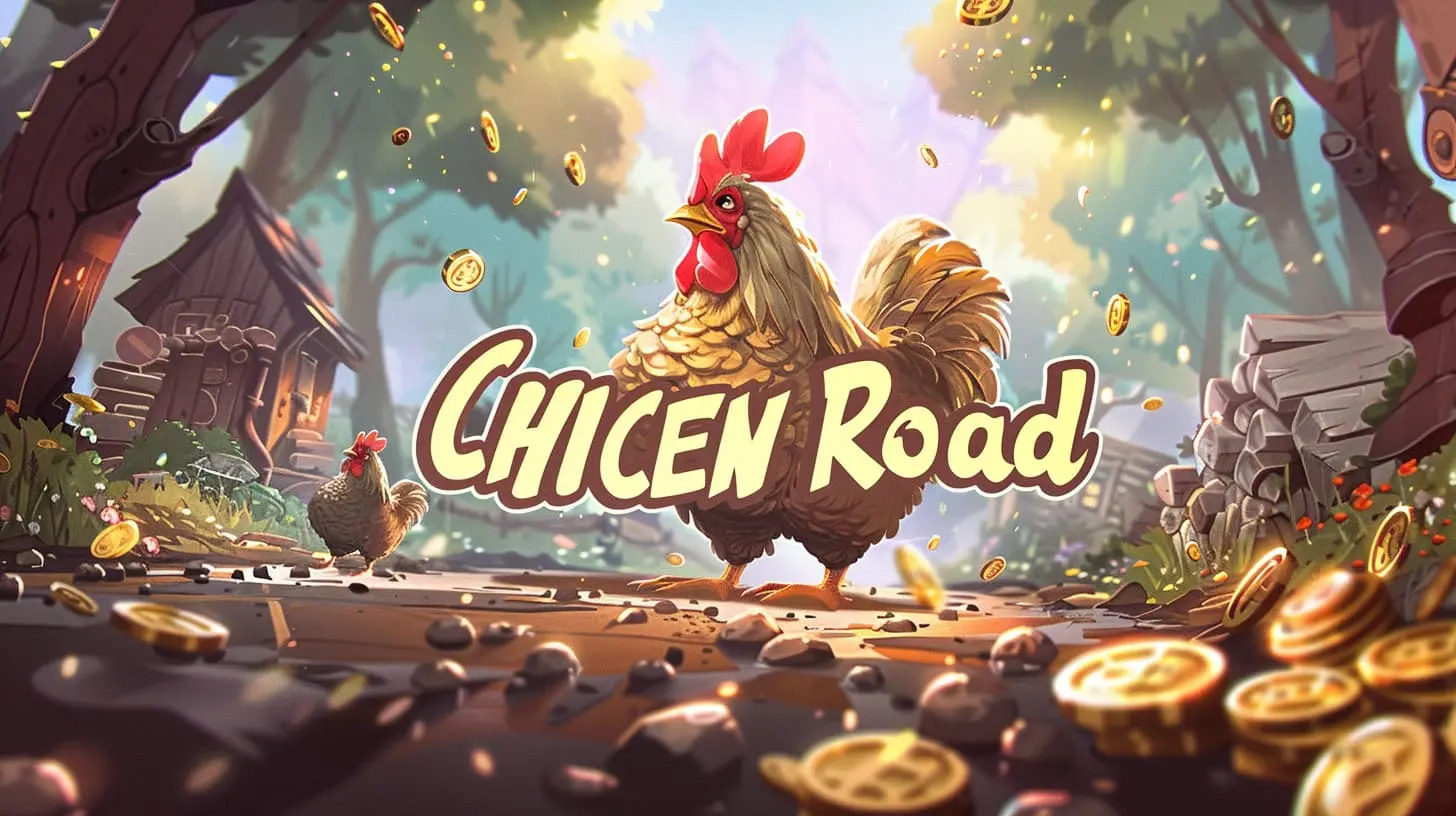
While facing obstacles in the Chicken Road Game, players quickly realize that resilience is essential for overcoming challenges. This game presents unexpected scenarios that test participants’ versatility and mental fortitude. As players face setbacks, their ability to stay focused and regroup becomes indispensable. Resilience not only fosters perseverance but also encourages creative problem-solving. Players learn that each failure serves as a stepping stone, reinforcing the idea that challenges can be profound experiences. Maintaining a positive mindset amid adversity allows for greater success, both in the game and beyond. Ultimately, the Chicken Road Game shows that resilience is a key skill; it prepares individuals to face life’s obstacles with courage and determination, ultimately leading to personal growth and mastery.
Applying Game Lessons to Real-Life Scenarios
Although the Chicken Road Game is a simulation, the invaluable lessons it imparts extend far beyond the digital domain. Players learn to assess risks, make strategic decisions under pressure, and adapt quickly to unforeseen situations. These skills prove crucial in real-world situations, whether in business, personal relationships, or crisis management. For instance, understanding the consequences of aggressive moves can improve bargaining tactics, while mastering patience and timing aids in seizing opportunities. Furthermore, the game encourages a growth mindset, promoting resilience and the willingness to learn from failures. By utilizing these understandings, individuals can change their experiences into actionable strategies, ensuring they maneuver complex scenarios with greater confidence and effectiveness. Consequently, the lessons from the game resonate with life’s multifaceted challenges.
Engaging Players of All Ages in Educational Adventures
Involving players of all ages in educational adventures requires innovative approaches that capture their interest and nurture creativity. Game designers can achieve this by integrating elements of storytelling, interactive challenges, and collaborative tasks that resonate with diverse age groups. For instance, layering complex narratives can attract older participants, while simple, captivating mechanics can engage younger players. Incorporating technology, like augmented reality, improves immersion, making learning both fun and effective. Furthermore, rewarding teamwork cultivates community and encourages peer learning. By blending education smoothly with gaming, developers enable players to investigate concepts actively rather than passively absorbing information. This energetic engagement not only promotes critical thinking but also guarantees that educational adventures remain memorable and significant for everyone involved.
Conclusion
The “Chicken Road Game” exemplifies how play can be a potent educational tool. Participants not only sharpen their decision-making skills but also foster resilience and teamwork, essential qualities for steering life’s challenges. By engaging players of all ages, the game transforms learning into an fun adventure. Ultimately, the lessons gathered from this creative approach go beyond the game itself, offering insightful perspectives that players can use to real-world scenarios, enhancing their personal and professional lives.